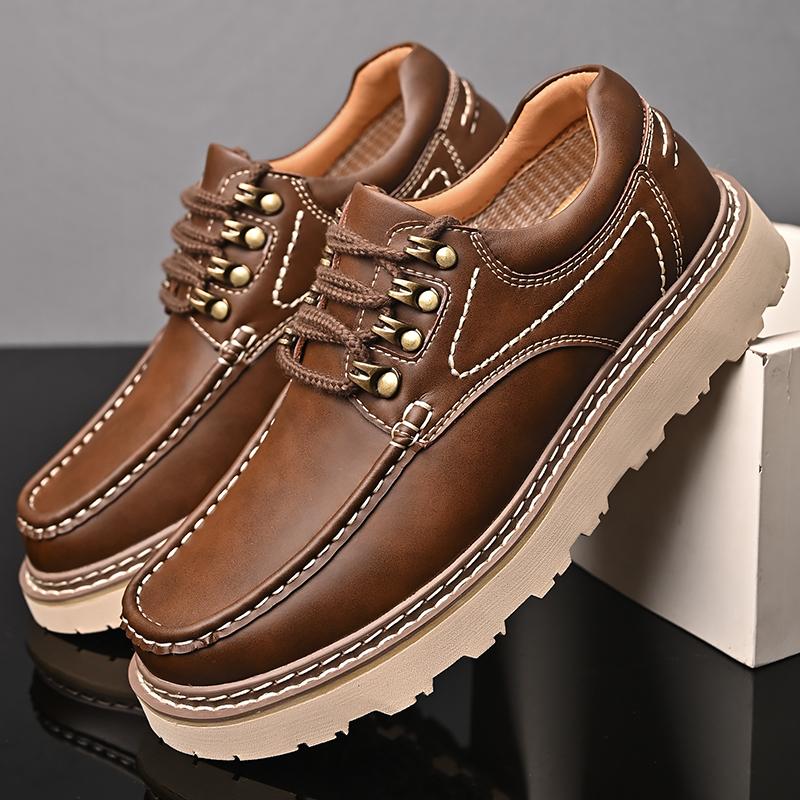
Luxury and lifestyle footwear design is not just the brand name but it is the details that make a big difference. One of those details is the way the stitches look on the shoe.
A stitch may look like a line but it can change the way the whole shoe feels. In luxury and lifestyle footwear people notice these things quickly. They may not know the technicalities but they can easily see if the stitches are neat or not. If the stitches are clean the shoe looks expensive.
Stitches affect how beautiful the shoe is and to what extent people trust the brand. Stitching is part of the shoes design. In certain types of shoes you can see the stitches from the outside. Since are not hidden therefore they are very much a part of the shoe look.
Leather shoes get their shape from the stitches. Boots look strong due to their stitches. Sneakers look modern owing to the kind of stitches. So, stitches aren’t just restricted to keep the parts of the shoe together but they also add character to it.
Neat stitch and the shoe looks fancy. Poor stitch and the most expensive material can look ordinary. Hence designers should consider stitches to be a part of the design, not a step in making the shoe. When someone sees a luxury shoe the first thing they notice is very important. They look at the shape the color, the way it is finished and the small details. The stitches are one of the things they notice.
If the stitches are straight and even the shoe feels well made. If the stitches are loose or wavy the shoe does not look as good. In luxury products people expect everything to be perfect. They are paying a lot of money so they want every part of the shoe to look good. A good stitch line tells the customer that the shoe was made with care. This helps create an impression.
The way the stitches look is a sign of how good the shoe’s. It shows how much care was put into making the shoe. In luxury footwear being good is not about being strong it is also about how the shoe looks and feels. A clean stitch line gives a sense of control. It shows that the sewing machine thread, the needle, the material and the machine were all working properly.
If the stitches are uneven it can look like the people who made the shoe did not do a job. If there are stitches that were skipped it can look like the production was not controlled well. If the thread is fraying it can make the shoe look like it was not finished. So the way the stitches look becomes a message about the quality of the shoe. The shoe tells you about itself through its details.
The thread used for the stitches plays a role in how they look. The thread should match the material of the shoe and its design. If the thread is too thick the stitches may look heavy. If the thread is too thin the stitches may look weak. If the thread is rough the stitch line may not look clean. If the color of the thread is wrong it can ruin the design.
For luxury footwear the thread (nylon sewing thread) should give both strength and beauty. It should be smooth have thickness, not fray and keep its color well. A good thread helps create a stitch line. The color of the thread is very important in lifestyle and luxury footwear. Some shoes need the thread to match the color of the material. This gives a look.
Some shoes use thread that’s a different color to make a bold statement. For example tan thread on leather can look classic. White stitching on sneakers can look fresh. Black thread on leather can look sharp. The color must be chosen carefully. If the shade is slightly wrong the shoe may look like the colors do not match. If the color fades after the shoe is used the shoe may look old. If the color bleeds it can ruin the material.
Good color quality keeps the shoe looking expensive for a time. In luxury footwear the length of the stitches should look even. Every stitch should look balanced. If some stitches are long and some are short the line looks messy. This affects how beautiful the shoe is. Even stitch length gives a finish. It also gives a sense of making.
This is very important in shoes, boots, sneakers and premium casual footwear. The machine setting, the skill of the person making the shoe the quality of the thread and how the material is handled all affect the length of the stitches. For luxury products this should be checked carefully. The line of stitches must be straight. A straight stitch line gives a look. A wavy stitch line can ruin the shape of the shoe.
In leather footwear this is more visible. The surface of the leather is smooth so mistakes can be seen quickly. Once the leather is stitched the holes from the needle remain. So it is not easy to fix mistakes. This is why the stitches must be accurate from the start. Straight stitch lines show skill and control. They make the shoe look more expensive.
For luxury brands this detail is very important. The way the stitches look affects the image of the brand. Luxury and lifestyle footwear depend a lot on the brands image. People buy these shoes not to use them but also for the feeling, style and trust they give. If the stitches look poor it affects the brands image. The customer may feel that the brand does not care about quality.
They may return the shoe. Not buy from the brand again. On the hand clean stitches improve trust. They tell the customer that the brand cares about the details. This can help build customer loyalty. In footwear trust is built through details. In footwear visible stitches are often used to make the shoe look beautiful. In these shoes the stitches show the craftsmanship. They make the shoe feel special.
Handmade does not mean careless. The stitches should still look balanced and clean. The thread used can be waxed, strong or decorative depending on the design. The thread should support the handmade feel without looking messy. For leather shoes and sandals the way the stitches look can be a selling point.
Stitches should complement the shoe material. Different materials need types of stitches. Leather needs controlled stitches. Suede needs stitches. Canvas can have stitches. Mesh needs stitches. Synthetic materials need smooth thread movement. Expensive footwear often uses a mix of materials. So the thread and stitch style should match each part.
A heavy stitch on a material may look harsh. A fine stitch on leather may look weak. The right balance gives design and durability. The way the stitches look is not about how the shoe looks outside. It can also affect how comfortable the shoe is. If the stitches are bulky inside the shoe they can rub against the foot. If the thread is rough it can irritate the skin.
Seam must be well finished else the shoe ends up feeling uncomfortable. High-end footwear should feel good from the inside out. Clean stitches assist in making the interior of the shoe smoother. Soft and strong thread can improve comfort. A premium shoe should not just look good. Also feel good on the foot. Good stitch appearance often comes with stitching quality.
If the stitches are even and properly formed the seam is usually stronger. If the thread is fraying or loose the seam may fail faster. Expensive footwear should last long. People expect it to be durable not just stylish. Good stitch appearance supports both. It helps the shoe keep maintain its shape and the design remain fresh.
Footwear brands should audit the stitches carefully before putting the shoe line on the market. They should look for stitches that are skipped, thread, color mismatch, fraying and crooked lines. They should also check the strength of the stitches. A stitch may look good. It should also be strong.
Testing should be done on the material. For leather shoes it is hard to fix mistakes. So it is better to check during production than to try to fix it. Good quality control helps reduce mistakes and customer complaints. In conclusion the way the stitches look is very important in luxury and lifestyle footwear design.
It affects the impression the beauty of the shoe the quality, comfort and trust in the brand. A neat stitch line makes the shoe look expensive. A poor stitch line can ruin the material. The choice of thread color stitch length, machine setting and worker skill all play a role. For luxury footwear small details are not small. They are what make the shoe feel special.
A shoe may be remembered for its design. Its quality is seen in every stitch. Luxury and lifestyle footwear design is about paying attention to these details. It is, about making sure that every part of the shoe including the stitches is perfect. This is what makes luxury and lifestyle footwear stand out. This is what makes them special.