The footwear industry is changing. Earlier people looked at the design of the shoe how comfortable it is, the price and the brand name. Now people are asking questions. What’s the material used? Is the shoe made in a environment friendly way? Can waste be reduced? Is the brand doing something for the planet?
This change is making sustainable footwear more important. Footwear brands are now looking at every part of the shoe. They are checking the material, the sole, the lining, the glue, the packaging and even the sewing thread. The thread may look like a part but it is used in almost every shoe. It joins the panels, the straps, the tongue, the lining, the heel parts and many other areas.
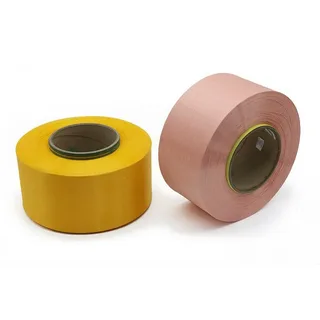
So when brands choose recycled threads (polyester sewing thread, nylon sewing thread), it becomes a meaningful step towards better footwear manufacturing. Recycled threads are sewing threads made from material. Many recycled polyester threads are made from used plastic bottles or polyester waste. Of using only fresh raw material, waste material gets a second life. This helps reduce waste going to landfills. It also helps reduce the need for resources.
For footwear recycled threads must still be strong. They should not break easily. They should run smoothly on machines. They should give stitching. They should also perform well during wearing, bending, rubbing and washing. Sustainability should not mean quality. A recycled thread should be both responsible and reliable.
The demand for threads is growing because brands want to reduce their environmental impact. Footwear manufacturing uses materials. Some shoes use leather. Some use materials. Some use mesh, foam, rubber, textile, plastic and metal parts. All these materials create impact. Brands cannot change everything in one day.. They can start with better choices. Recycled thread is one choice.
It helps brands move towards sustainability without changing the shoe design. It can be used in sports shoes, casual shoes, sandals, boots, school shoes, lifestyle footwear and even premium footwear. This makes it practical for manufacturers. Thread may be small in one shoe. Footwear brands make thousands and lakhs of pairs. When recycled thread is used in production the impact becomes bigger.
Small savings in each pair can become savings at brand level. This is why brands are now looking beyond materials. Earlier many brands focused on recycled uppers or recycled soles. Now they are also checking thread, labels, laces, tapes and packaging. Sustainability is not one big step. It is small steps taken together. Recycled thread is one of those steps.
Many footwear brands have sustainability goals. They want to use recycled material. They want to reduce waste. They want to show responsibility. They also want to meet buyer and customer expectations. Recycled threads help support these goals. They can be part of the brand’s sourcing plan. They can also help in sustainability reporting.
When a brand uses recycled thread with certification it can show proof. This is important because customers and buyers do not want claims. They want information. A certified recycled thread gives confidence. Many global buyers are asking suppliers to use materials. Footwear exporters need to follow these requirements.
If a buyer asks for content the manufacturer must show proper material details. Recycled threads can help footwear suppliers meet demand. They can support export orders where sustainability’s part of product requirement. This is very important for manufacturers working with brands. Today buyers are checking not price and delivery. They are also checking material source, chemical safety and responsible production.
Recycled thread is becoming more useful in footwear supply chains. Even if the thread is recycled it must perform well. Footwear goes through use. Shoes bend, stretch, rub and carry body weight. The stitching must stay strong. If the thread breaks the shoe can fail. If seam opens the customer will complain. If the thread colour fades the shoe may look old.
Recycled thread should be tested properly before use. It should have strength. It should have colour quality. It should work well on footwear machines. It should handle moisture, sweat and rubbing. A sustainable shoe should also be a shoe. If the shoe fails early it creates waste.
Recycled threads are getting attention in sports footwear. Sports shoes use mesh, textile, foam, synthetic panels and stitched parts. They need flexible seams. They also face sweat and repeated movement. Recycled polyester threads can be useful in sports footwear applications. They can support the brand’s sustainability message while maintaining seam quality.
For shoes training shoes, walking shoes and athleisure footwear recycled threads can add value. Customers in this segment are also more aware about eco- choices. They want performance with responsibility. Recycled threads can offer lifestyle brands built sustainable products without losing style. They can be used for stitching, lining stitching, decorative stitching and trims.
When the thread looks good and performs well the customer gets both design and responsibility. Using thread also changes the way brands think. It pushes them to look at waste. Waste is not always useless. It can become a material. This idea is important for footwear manufacturing.
Brands are now trying to design shoes that use virgin material last longer and create less waste. Recycled threads support this thinking. They may not solve every problem.. They are part of a better direction. Recycled thread should come with proof. Brands should check certification, recycled content, quality reports and supplier reliability.
Without proof sustainability claims can become weak. Traceability helps knowing the source of the material and how it was made. This is important for manufacturing. It also helps brands avoid claims. Customers are becoming smarter. They can question sustainability messages. So brands should use threads from trusted suppliers.
There are some challenges also. Recycled threads must match the strength and performance needed for footwear. Some applications may need thread. Some may need colour fastness. Some may need high abrasion resistance. Price and availability can also vary. Factories may need to test machine settings before using recycled thread in bulk.
These challenges can be managed with proper planning. The key is to test before production. The thread should be checked on footwear material and machine. The future demand for threads looks strong. More brands will ask for material options. More customers will prefer products.
More buyers will need proof and certification. Footwear manufacturers who understand this early can stay ahead. Recycled thread may become a part of sustainable footwear design. It may also be combined with dyeing, lower water use and improved durability. The focus will be simple. Make footwear that looks good performs well and reduces impact.
Recycled threads are becoming important in footwear manufacturing. They help reduce waste, support recycled material use and improve brand responsibility. They also help footwear brands meet sustainability goals and buyer requirements.. Quality should never be ignored. The thread must be strong smooth colour stable and suitable for footwear use.
A recycled thread should support both sustainability and durability. For footwear brands this is a step. Because the future of footwear is not about style and comfort. It is also, about making choices at every small part of the shoe.. Recycled thread is one small part that can make a real difference.